
History-வரலாறு
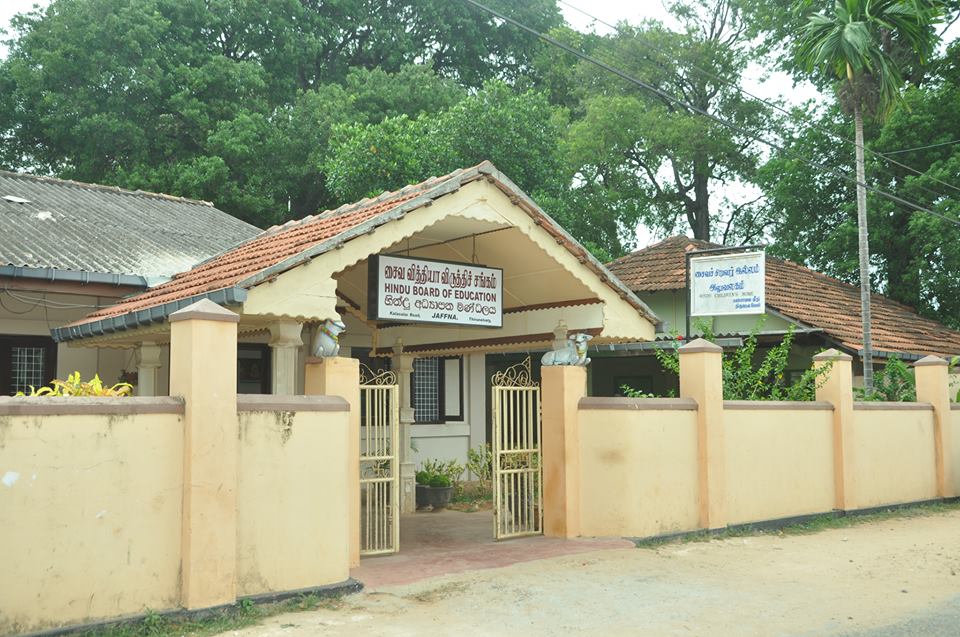
The Hindu Board of Education in Sri Lanka, incorporated under the Hindu Board of Education Ordinance (Ordinance No. 23 of 1926, enacted on 24th January 1927), is a prominent statutory institution established to preserve and promote Hindu heritage, education, and social welfare in Sri Lanka. The Board has historically played a key role in managing leading Hindu schools, safeguarding cultural values, and providing care for orphaned and vulnerable children through its residential care institutions.
In 1961, when the Government of Sri Lanka took over the administration of schools, the Saiva Vidya Viruthi Association (சைவ வித்தியா விருத்திச் சங்கம்) was managing 187 schools across the Northern region. After the school takeover, the organization continued its social service mission by maintaining its Saiva children’s homes and associated lands, buildings, and assets, ensuring uninterrupted care for children in need.
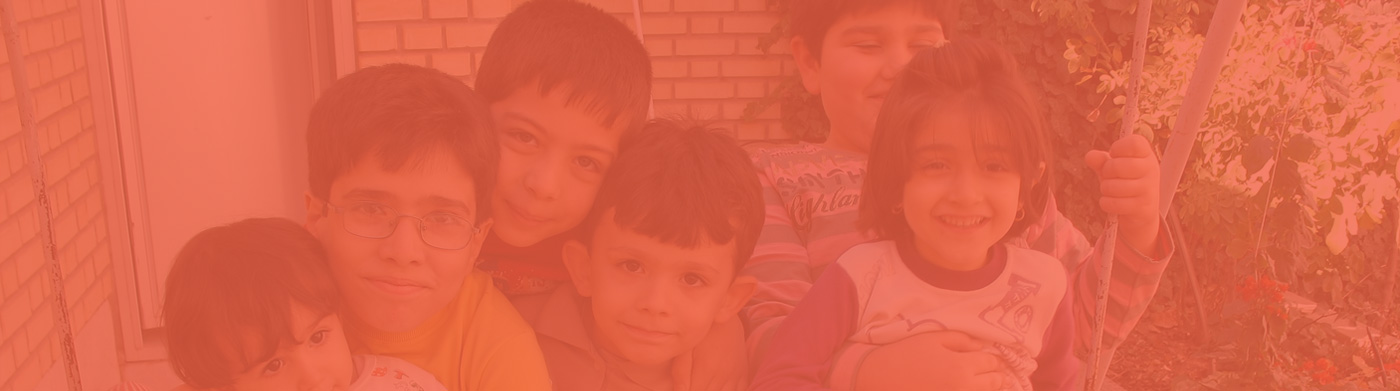
Today, the institution continues its humanitarian role, where approximately 200 children reside in its homes, receiving comprehensive care including food, clothing, shelter, education, medical support, and vocational training. At present in Jaffna, the Hindu Board of Education manages three government-registered Child Development Centres (Children’s Homes) under the Northern Provincial Government, consisting of two girls’ homes and one boys’ home, continuing its long-standing commitment to child welfare and education
இருபதாம் நூற்றாண்டின் ஆரம்ப காலப்பகுதியில் “ஈழத்துச் சைவ சமய நிலை“ பற்றி ஆராய்கையில் 09.12.1923அன்று கூட்டம் ஒன்று நடைபெற்றது. இதில் பெருந்திரளான சைவா்கள் கலந்து கொண்டனா். இதன் விழைவாக சோ்.பொன்னம்பலம் இராமநாதன் தலைமையில் சோ்.வைத்தியலிங்கம் துரைசாமி M.S.இராசரத்தினம், S.சிவபாதசுந்தரம், W.விஜயரத்னம், S.குமாரசூரிய, S.G.Pearce, திரு.A.மகாதேவா போன்ற இன்னும் பலா் கூடி சைவ வித்தியா விருத்திச் சங்கத்தைச் ஸ்தாபித்தனா். இதுவே என “Hindu Board of Education” ஆங்கிலத்தில் கூறப்படுகின்றது. சங்கத்தின் நோக்கம் நாட்டின் பல பகுதிகளிலும் சைவப் பாடசாலைகளை நிறுவிச் சைவச் சூழலிலே (ஏழைப் பிள்ளைகளுக்கு) கல்வி வழங்குவது ஆகும். இச்சங்கம் யாழ்ப்பாணம் முழுவதுமன்றி இலங்கையின் பிற மாவட்டங்களிலும் மாகாணங்களிலும் ஊா்கள் தோறும் சைவத்தமிழ்ப் பாடசாலைகளை நிறுவி நிர்வகித்து வந்தது. 1926ஆம் ஆண்டில் எழுபத்தாறு பாடசாலைகள் நிறுவப்பட்டன. இப்புனித கைங்கரியத்திற்கு முன்னின்று முழுமூச்சுடன் உழைத்தவா் திரு.சு.இராசரத்தினம் என்றால் மிகையாகாது.
நாவலா் பெருமானின் கனவை நனவாக்கிய செயல்வீரா் இந்து போர்ட்.சு.இராசரத்தினம் அவா்கள் நெடுந்தீவு தொடக்கம் பதுளை வரை சைவப் பாடசாலைகளை நிறுவி, சைவாசிரியா் பயிற்சிக் கலாசாலை ஒன்றைத் திருநெல்வேலியிலே உருவாக்கி, சைவ அநாதைச் சிறுவா்கள் நன்கு வாழ்ந்து கல்வி கற்பதற்குச் சைவ அநாதைச் சிறுவா்கள் இல்லமும் முத்துத்தம்பி வித்தியாசாலையும் நிறுவி உழைத்த அந்த மகான் செய்த உதவி காலத்தினாற் செய்த உதவி. இதனைக் காலமெல்லாம் போற்றவேண்டும். அருணாசல உபாத்தியாயாரின் வேண்டுகோளின் பிரகாரமும், திருவருளின் கருணையினாலும், சைவ சமயத்தவரும் தமிழ் இனத்தவரும் செய்த தவப்பயனாலும் எங்கள் மனேஜா் ஐயா அவா்கள் நூற்றிஎண்பத்தேழு பாமசாலைகளை உருவாக்கினார். நூறு கிடுகுகளும் நான்கு கப்புக்களும் மரந்தடிகளும் அகப்பட்டதும் பாடசாலை உருவாகிவிடும் மதிநுட்பத்தோடு கிராமந்தோறும் பாடசாலைகளை உருவாக்கினார்.
மகாத்மா காந்தியடிகள் 1927ஆம் ஆண்டின் பிற்பகுதியில் யாழ்ப்பாணத்துக்கு வருகை புரிந்தபோது சைவ வித்தியா விருத்திச் சங்கத்தாரின் பெருமுயற்சியை அறிந்து மனமார வாழ்த்தினார்கள். அவா் 29.11.1927ஆம் நாளில் இந்துக்களுக்குக் கூறியவை: ”இந்துக்களாகிய நீங்கள் உங்கள் பிள்ளைகளின் கல்வி எத்தன்மையதாகும் என்பதை நீங்களே முடிவு செய்யும் உரிமை உடையவா்களாவீா். அதற்காகச் சைவ வித்தியா விருத்திச் சங்கம் என ஒரு நிறுவனத்தையும் ஆரம்பித்து நடத்தி வருகிறீா்கள். இதையிட்டு எனக்கு மிக்க மகிழ்ச்சி உண்டாகிறது. இச்சங்கத்தை நல்ல நோக்கோடு வளா்த்து உறுதியடையச் செய்தல் வேண்டும் என்பது எனது பெருவிருப்பம். அப்படிச் செய்யும்போது, கிறிஸ்தவ பாடசாலைகளுடன் முரண்பட்டு மோதிக்கொள்ள வேண்டியதில்லை. உங்கள் பாடசாலைகளில் தக்க தளபாடங்கள் உபகரணங்களை நிறுவி, தகுந்த சிறந்த ஆசிரியா்களையும் நியமித்துக் கொண்டால், எவ்வித தடையும் துன்பமுமின்றித் தாமாகவே சைவ மாணாக்கா்கள் கல்வி கற்பதற்கு உங்களிடம் முந்தி வருவார்கள்”.
திருநெல்வேலியில் தான் சைவ வித்தியா விருத்திச் சங்கத்தின் பெரிய நிறுவனங்கள் இரண்டு ஒரே நாளில் மங்கலகரமாக ஆரம்பிக்கப்பட்டன. அவை 1928ஆம் ஆண்டின் விஜயதசமி நாளில் உண்டானவை. அவற்றுள் ஊரவா்களாய பிரமுகா்கள், சைவப் பேரன்பா்கள் செய்த உபகரிப்புக்கள் மகத்தானவை. திருநெல்வேலிக்குப் புகழீட்டிய கொடை வள்ளல்களுள் சுப்பிரமணியா் சபாபதிப்பிள்ளை என்னும் உதவி மருத்துவரும் ஒருவா்.
அவா் மலேசியாவில் மருத்துவத் தொழிலை மனிதாபிமானத்தோடு பார்த்தப் பெருஞ் செல்வம் ஈட்டியவா். அவா் வேலையினின்றும் ஓய்வு பெற்றுத் திருநெல்வேலிக்கு மீண்டபின் கேணியடியில் அமைந்த தமது பாரிய மாடி வீட்டில் சமூகப் பணி புரிந்து வந்தார். பலருக்கு இலவசமாக வீடு தோறும் சென்று வைத்தியம் பார்த்து வந்தார். எங்குஞ் சென்று எல்லோரையும் கண்டு பழகிச் சைவம் வளர்ப்பதில் அவருக்குப் பொிய ஈடுபாடிருந்தது. தமது வளவில் பெருமளவில் பயிர்த்தோட்டம் செய்தவராகையில் ஊரிலுள்ள பிள்ளைகள் அவரைத் ”தோட்டையா” எனச் செல்வமாக வழங்கினா். அவா் பாடசாலைச் சிறுவா், சிறுமியா்கள் திருநீறு தரித்திருக்கின்றார்களோ என்று கவனித்துப் பார்ப்பார். அவா்களின் புத்தகங்களை வாங்கி அழகாக உறைபோட்டக் கொடுப்பார்.
மலேசியாவிலிருந்து 1927ஆம் ஆண்டளவில் மீண்ட சபாபதியார் முத்துத்தம்பி வித்தியாசாலையின் சீரழிவைக் கண்டு சிந்தை நொந்து உடனடியாக அதனனை நல்ல முறையில் இயங்க வைத்தார. இப்பணியில் அவா் சைவப் பெரியார் இராசரத்தினம் அவா்களோடு வழக்கமாயினார. முத்துத்தம்பி வித்தியாசாலையைச் சைவ வித்தியா விருத்திச் சங்கம் பொறுப்பேற்று நடாத்துவமற்குப் போதிய உதவி செய்த திருநெல்வேலிச் செம்மனத்தார்களுள் சபாபதியாரும் ஒருவா். சபாபதிப்பிள்ளை அவா்கள் தம்மனையில் ஆரம்பித்த சைவச் சிறுவா் இல்லத்தை சைவ வித்தியா விருத்திச் சங்கத்தார் 1928ஆம் ஆண்டு விஜயதசமி நாளில் பொறுப்பேற்று நடத்தத் தொடங்கினார்கள். அன்று தொடக்கம் சைவப் பெரியார் இராசரத்தினம் அவா்கள் எண்ணற்ற பிள்ளைகளுக்கு ”அப்பு” ஆனார்.
இந்நிலையில் இராசரத்தினம் அவா்கள் சைவப் பாடசாலைகளிற் கற்பிப்பதற்குத் தேவையான சைவாசிரியா்களைப் போதியளவு சைவா்களே தங்கள் சூழலிலே பயிற்றிக் கொள்ள வேண்டுமெனத் துணிந்தார்கள்.
திருநெல்வேலியில் தாராள மனம் படைத்த செல்வப் பிரபு ஒருவா், ”என்னுடைய வீடு இருக்கிறது” என்று அபயக்குரல் கொடுத்தார். மலேசியாவில் துவிபாசகர் என்னும் முதலி தம்பையா அவர்களின் மைந்தா், சீமை அப்புக்காத்தா் என்னும் பரிஸ்ரா் இராசேந்திரா தம் மாளிகை போன்ற பெரிய மனையை உடன் தேவைக்கு உதவினார்.
பணி தொடங்கியது
சைவாசிரியா் கலாசாலையின் ஆரம்ப வகுப்புக்கள் 1928ஆம் ஆண்டு விஜயதசமி நாளில் ஆரம்பித்து நடைபெற்று வந்த காலத்தில் நிரந்தரமான பெரிய கட்டிடங்கள் அமைப்பதற்கு நிலம் வாங்குவதற்கு இராசரத்தினம் அவா்கள் முயற்சி செய்த வேளை உதவப் பலா் முன்வந்தனா்.
நாற்பது பரப்பளவில் பரந்த நிலப்பரப்பில் ஒரு பகுதி இலவசமாகக் கிடைத்துவிட்டது. ஒரு பகுதியை மிக மலிவாக வாங்குவதற்கு வைத்தியர் சபாபதிப்பிள்ளை அவா்கள் முன்வந்தார். புமி தானம் செய்வதால் வரும் புண்ணியப் பேற்றை நன்கு விளக்கிய சபாபதியாரின் முயற்சியால் மேலும் ஒரு பகுதி இலவசமாகக் கிடைத்தது.
1961இல் அரசாங்கம் பாடசாலைகளைப் பொறுப்பேற்கும் போது சைவ வித்தியா விருத்திச் சங்கம் 187 பாடசாலைகளை நிர்வகித்து வந்தது. அப்பாடசாலைகளைக் கையளித்த பின், சைவச் சிறுவா் இல்லத்தையும் அதற்குரிய ஆதனங்களையும் கட்டிடங்களையும் தொடா்ந்தும் சங்கம் நடாத்தி வருகின்றது. இன்றும் 200 பிள்ளைகள் இல்லத்தில் தங்கி உணவு, உடை, உறையுள், கல்வி, மருத்துவ வசதி, தொழிற்பயிற்சி ஆகியன பெறுகின்றன.
1970களில் சு.இராசரத்தினம் அவா்கள் அமரராகின்றார். அவா் விட்ட பணியை பிரபல சட்டத்தரணியாக இருந்த திரு.S.R.கனகநாயகம் அவா்கள் பொறுப்பெடுத்து நடாத்துகின்றார்கள். அவரின் காலத்தின் பின் உள்ளுா்ப் பிரமுகா்களும், மருத்துவா்களும், பல்கலைக்கழகச் சமூகத்தவரும் பணிப்பாளா் சபை அமைத்து நிர்வகித்து வந்துள்ளனா்.
தொண்ணூறுகளில் நிலவிய போர்ச்சூழலில் ஆறு திருமுருகன் போன்றோரின் உதவி முக்கியமானது. 1995 இல் நிகழ்ந்த இடப்பெயா்ச்சியும் இல்லத்தை வெகுவாகப் பாதித்தது. Lanka Agro Action, UNHCR, Norwegian Lions in Trondheim, RRAN முதலிய அமைப்புக்கள் கைகொடுக்கவே ஒருவாறு தலைநிமிர முடிந்தது. திருமணம், பிறந்தநாள், சிரார்த்த திதி, ஆண்டுத் திதி முதலியவற்றை அனுஷ்டிக்கும் அன்பா்கள், அந்நாள்களில் எமது இல்லத்துப் பிள்ளைகளுக்கு உணவளித்துப் புண்ணியம் தேடுகின்றனா். சிறுதுளி பெருவெள்ளமாகி இது எமக்கு உதவுகிறது.
History of the Hindu Board of Education
A Legacy of Education, Culture, and Social Service
In the early twentieth century, a group of distinguished Hindu leaders and educationists came together to address the state of Saivite education and religious values in Ceylon (now Sri Lanka). A historic public meeting held on 9 December 1923 marked the beginning of a movement that would shape the educational landscape of the country.
As a result of this meeting, the Saiva Vidya Viruthi Association (SVVA) was established under the leadership of Sir Ponnambalam Ramanathan, together with eminent personalities including Sir Vaitilingam Duraisamy, M.S. Rasarathinam, S. Sivapathasundaram, W. Vijayaratnam, S. Kumarasuriya, S.G. Pearce, A. Mahadeva, and many other community leaders. Today, the organization is widely known in English as the Hindu Board of Education.
The primary objective of the Association was to establish Saivite schools throughout the country and provide quality education, particularly for underprivileged children, within an environment that nurtured moral values, Tamil language, and cultural heritage.
Expansion of Educational Institutions
The Association rapidly expanded its educational mission by establishing and managing Tamil and Saivite schools not only throughout the Jaffna Peninsula but also across many districts and provinces of Sri Lanka.
By 1926, the Association had already established 76 schools. One of the greatest contributors to this remarkable achievement was Mr. S. Rasarathinam, whose vision, dedication, and tireless efforts laid the foundation for one of Sri Lanka’s largest indigenous educational movements.
Inspired by the vision of Arumuga Navalar, Mr. Rasarathinam travelled extensively—from Delft (Neduntheevu) in the north to Badulla in the central hills—establishing schools in rural villages wherever educational opportunities were lacking.
His practical philosophy was simple yet effective: with a modest building, basic materials, and committed teachers, a school could transform an entire community. Through this approach, the Association eventually established 187 schools throughout Sri Lanka.
Recognition by Mahatma Gandhi
During Mahatma Gandhi’s visit to Jaffna in November 1927, he learned about the remarkable educational work of the Saiva Vidya Viruthi Association and expressed his sincere appreciation.
Addressing the Hindu community on 29 November 1927, Gandhi stated that Hindus had the right and responsibility to determine the education of their own children. He praised the establishment of the Association and encouraged the community to strengthen and expand its work.
He emphasized that rather than competing with Christian schools, the Association should focus on providing excellent facilities, qualified teachers, and quality education. By doing so, he believed students would naturally choose these institutions.
Establishment of Major Institutions
A significant milestone was reached in 1928, when two major institutions were inaugurated in Thirunelvely on the auspicious day of Vijayadashami:
- The Saivite Teachers’ Training College
- The Saiva Children’s Home, together with Muthuthambi Vidyalayam
These institutions were established through the generous support of many philanthropists and community leaders.
One of the most notable benefactors was Dr. Subramaniam Sabapathipillai, a successful medical practitioner who returned from Malaysia after many years of service. Besides providing free medical treatment to local residents, he became a passionate supporter of education and social welfare.
Recognizing the deteriorating condition of Muthuthambi Vidyalayam, he worked closely with Mr. Rasarathinam to restore and strengthen the institution. He also entrusted the children’s home he had established at his residence to the Association, which officially assumed responsibility for its administration in 1928.
From that day onward, Mr. Rasarathinam became affectionately known as “Appu” (Father) to countless orphaned children who found care, education, and hope through the institution.
Teacher Training and Educational Development
Understanding that quality education depended on qualified teachers, the Association established the Saivite Teachers’ Training College to prepare teachers who would serve in its expanding network of schools.
Initially, classes were conducted in a generously donated private residence in Thirunelvely. Subsequently, through the generosity of local philanthropists, approximately 40 acres of land were acquired—partly donated and partly purchased at highly concessional prices—to construct permanent educational facilities.
School Takeover by the Government
When the Government of Sri Lanka assumed responsibility for assisted schools in 1961, the Saiva Vidya Viruthi Association was managing 187 schools throughout the country.
Although ownership and administration of these schools were transferred to the Government, the Association continued its social mission by maintaining its children’s homes together with their buildings, lands, and other assets.
This ensured that its commitment to caring for vulnerable children remained uninterrupted.
Continuing the Mission of Child Welfare
Today, the Hindu Board of Education continues to provide comprehensive residential care for approximately 200 children.
The children receive:
- Safe accommodation
- Nutritious meals
- Clothing
- Formal education
- Healthcare services
- Vocational training
- Recreational opportunities
- Personal and social development
Many of these children have lost one or both parents, come from economically disadvantaged families, or have been affected by conflict and other social hardships.
Leadership Through the Years
Following the passing of Mr. S. Rasarathinam during the 1970s, the leadership of the Association was assumed by the distinguished lawyer Mr. S. R. Kanaganayagam, who continued the organization’s vision with great commitment.
In the years that followed, respected lawyers, medical professionals, academics, and community leaders have served on the Board of Directors, ensuring the continued growth and sustainability of the institution.
Resilience During Difficult Times
During Sri Lanka’s civil conflict, particularly throughout the 1990s, the Association faced enormous challenges. The mass displacement of 1995 significantly affected the children’s homes and their operations.
However, with generous assistance from organizations including:
- Lanka Agro Action
- UNHCR
- Norwegian Lions Club of Trondheim
- RRAN
- and numerous individual benefactors,
the institution was able to recover and continue serving vulnerable children.
Community Support Continues
The Hindu Board of Education has always been sustained through the generosity of individuals, families, charitable organizations, and well-wishers.
Many donors commemorate birthdays, wedding anniversaries, memorial days, and religious observances by sponsoring meals, educational materials, healthcare, and other essential needs for the children residing in our homes.
These acts of kindness—whether large or small—have enabled the institution to continue its mission for over a century.
Today, the Hindu Board of Education remains committed to empowering children through education, preserving Tamil language and cultural heritage, promoting ethical values, and serving humanity with compassion, dignity, and inclusiveness.